Reduce Mb Size of Photo for Uploading Mac
Preparing Epitome Files Before Uploading with WordPress
Summary
If you upload very large images to your website, your website will slow downwardly when those images are viewed by your visitors.
The solution is to learn how to optimise (trim images down to size) before yous upload them.
This article explains the two factors that control how big your epitome files are and provides links to some costless / depression cost tools yous can use to optimise your images.
File Dimensions and File Size
Images take:
- file dimensions (width and tiptop, in pixels) and
- file size (Kilobytes KB or Megabytes MB).
You tin remember of these as size and 'weight' if you like.
- The thumbnail image yous see below is 360 pixels (px) broad and 240 px loftier and 'weighs' 20KB.
- Click on the thumbnail image to run across the larger version in a lightbox – you'll see the 800 px wide version which 'weighs' 80KB.
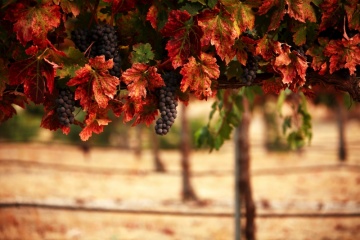 360px wide Grapes – click to see 800px version
Sizing your images to 1,280 px wide is a good target for many websites. However yous might target wider monitors, depending on your audition.
Here are some statistics on minimum screen widths equally at Jan 2017 (see w3schools.com for latest information):
- 1024px wide: 96%
- 128opx wide: 93%
- 1366px broad: 84%
- 1920px broad: 49%
- 2560px wide: 8%
So statistically, if you lot size your images to 1280 px wide, in 93% of cases the images will be large enough to fill your visitor's browser. Whatsoever larger and the image will be squeezed downwardly in width anyway. If you want to fill the browser width for 84% of visitors, 1,366px wide volition get there. If you use two,560px wide, you'll exist able to brandish on large iMac displays at full width.
Click the thumbnail for this side by side image and you lot'll exist looking at a 2,000px wide image that 'weighs' 120Kb. For nigh 92% of y'all, it will have to compress down to fit your monitor.
Make sure you maximise your browser before you click the thumbnail:
 360 px wide Grapes – click to meet 2,000 px wide Grapes!
Images from digital cameras or from stock photo libraries can exist very large, both in dimensions and 'weight'. 4,000 px wide is not uncommon, and the file size tin be from 4Mb to 10Mb and beyond.
Clearly these images are far wider than most monitors can brandish, and the 'weight' would cause delays while the large files download.
These bug tin be avoided if you prepare your images to ensure the dimensions are no larger than required, and the file sizes are reasonable for your purposes. Equally you can come across from the examples above, your choices are pretty wide.
Preparing images involves reducing the concrete size and file size, while withal leaving the images looking good. Nobody wants tiny, grainy images on a website, and it isn't necessary.
Inspecting size of images
To encounter how large your image files are, utilise Windows Explorer or the Mac Finder and inspect the file. On a Mac, y'all can view directly in the Finder:
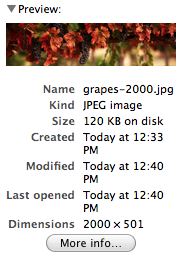
From this information console yous can run into the prototype file (grapes-file-information.png) is two,000 px broad by 501px loftier, and is 120KB
Dimensions – Physical size
For well-nigh websites, make certain your file is no wider than the width of your webpage.
If you lot are planning on displaying images in full screen mode (such as the broad prototype shown in a higher place), yous might desire to plan for your total size images to be 1,280px, i,920px or even wider. Your WordPress theme normally ensures that larger images will exist automatically resized down to fit them in the monitor resolution of each visitor.
When you lot upload an image, WordPress not only uploads the original image, information technology automatically creates three resized images for you:
- a Large version (default 600px)
- a Medium version (default 300px)
- a Thumbnail (default 150px)
Yous can therefore always choose to use your total size image, or the Medium or Thumbnail.
These default file sizes in WordPress can be inverse under Dashboard, Settings, Media.
File size
This is the nigh important part of preparing an image for your website. Images with a large file size take longer to download to a visitors browser and wearisome down your website.
For near 'full page' web images, you lot want the image to be 80Kb-100Kb at most. If the image is only part of a folio (e.g. half the width of a blog post), then 20Kb-30Kb is usually fine.
Dropping image quality to 30-50% of the original usually doesn't make whatsoever divergence you can pick with the naked middle. Try it and come across.
You can drop 2-3Mb images to 80kb-120kb and not really exist able to see whatsoever change in visible quality.
To bank check you lot haven't over-optimised your images, open your original image and the optimised image and view them side by side. Look out for any 'jaggies' (pixelated areas). If your image has areas of heaven (or areas that have a broad surface area that is the same colour) or thin lines (such as ability lines) crossing a neutral background, check these carefully as they are often the showtime places you lot'll notice pixelation.
Image Preparation Tools
If yous load images to your calculator and are familiar with shrinking them earlier emailing, and so a very quick way to optimise images can be to only email them to yourself earlier uploading to WordPress.
Automatic Preparation
If you would prefer automation over manually optimising every image, you can install the ShortPixel plugin (apply this chapter link for 100 free images/month) and that will automatically optimise every image yous load. Utilise the Lossless setting to get the highest quality results.
Manual Preparation
You can apply an prototype editing program to crop and resize image files yourself. Hither are some free/entry level options you tin attempt:
- Mac: you can utilize the Preview app on your Mac – use Tools, Adjust Size and then Export to save as a JPG. Likewise Ribbet accept a great new paradigm editor that lets y'all resize JPGs – download to your Mac for free. There is a web-browser version available, but that requires the use of Flash.
- Mac/Windows: get a costless subscription to Canva – this is a browser based image editor
- Windows: FastStone or PIXresizer (both free)
If you want to use more advanced editing tools, Photoshop is the king of the loma, but keep in mind it is overkill if all you desire to do is resize images for the spider web. At that place are subscription options for Photoshop that cost around $12/mth (expect for the Photography subscription). To optimise an image using Photoshop, y'all'll need to acquire how to use the Image Size facility and the Export tools.
In most cases epitome direction programmes will let you reduce paradigm quality past a percent. If you are dealing with big, hi resolution images, y'all tin commonly drop them to around xxx% of original quality and not be able to see much (if whatsoever) difference. Experiment for yourself.
Here are some screen shots showing ImageWell and Picturesque reducing the file size to 30% of the original.
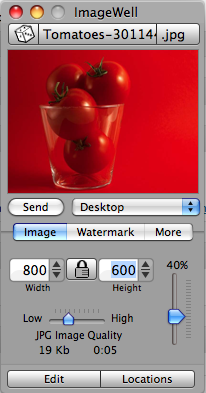

Sample Images
There are 3 versions of the same image shown below – click the thumbnail for each to run into the full version in a lightbox. As always, make certain your browser window is maximised.
- The beginning image two,000 px broad by i,333 px high. This is wider than many screens, so your browser will probably resize this one for you automatically to fit your window. It is 880KB in filesize.
- The second version is resized to 800 px wide by 533 px high (will fit your screen) – only reducing the physical size (no drop in quality) drops the file size to 196KB
- 3rd version leaves it at 800 px wide only drops the file quality and then the filesize is merely 80KB.
Could you tell the divergence if you didn't know which was which? And yet your website visitors would certainly know the difference if you litter your website with large files.
The point is, when loading images to your website you can determine what dimensions you utilize, depending on who will be viewing the epitome.
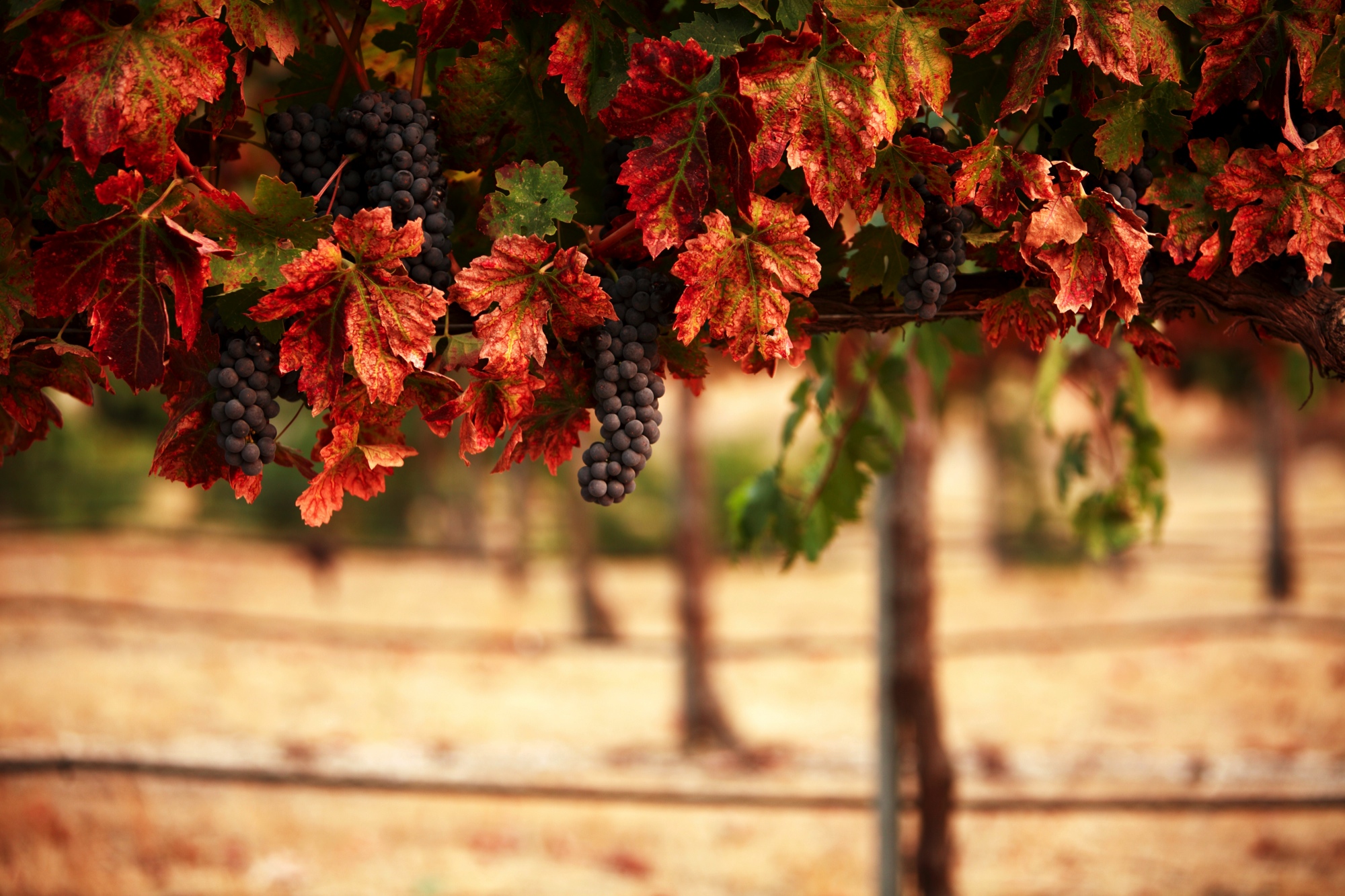
Grapes – 2,000 px wide at full quality – 880KB

Grapes – 800 px wide at full quality – 196KB
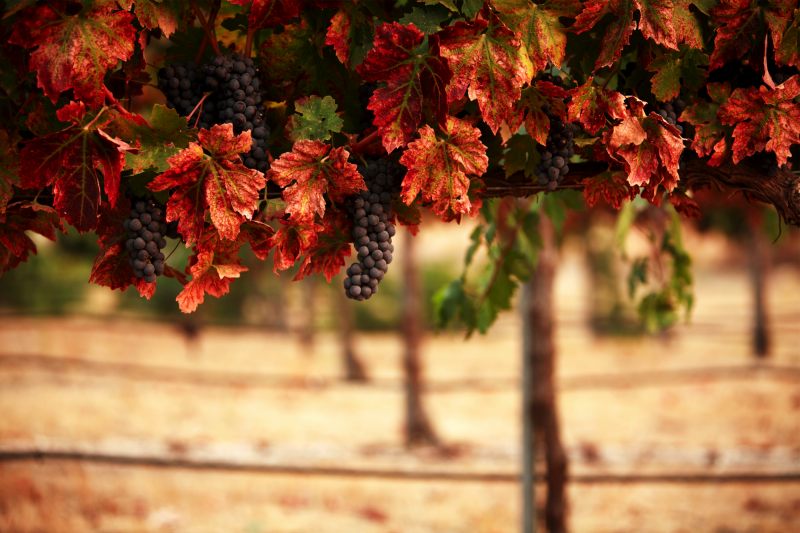
Grapes – 800 px broad at reduced quality – 80KB
Over Optimised Images
You can reduce the file quality of a JPG as well far. How far is too far? Basically if you can see a difference in quality, and so you lot've gone too far.
The image on the correct is an over-optimised version of the grapevine seen elsewhere on this folio – discover the blocky pixellation occuring in the leaves.

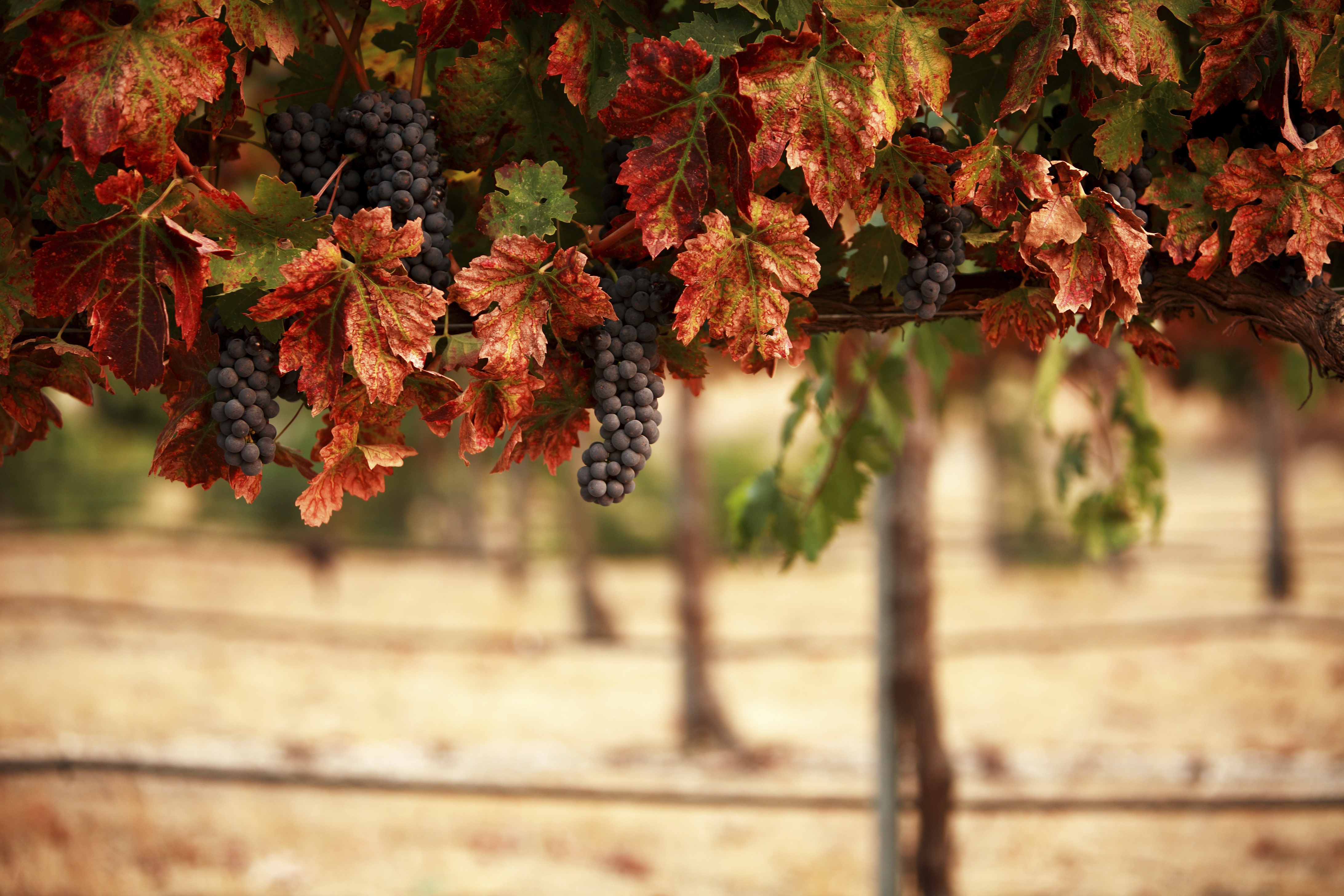
Finally, here is the *original* original version of this epitome. It is is four,368 px wide an eleven.5Mb.
You lot might desire to load this epitome to your website if you want people to be able to download a very loftier resolution version, for case to utilise for press, or to let further optimisation or editing. Only loading an 11Mb image is going to deadening the folio load down, and is probably a bad idea if a fast-loading web page is your goal.
And quality wise – tin you see much difference actually?
hartlinebusbashem.blogspot.com
Source: https://om4.com.au/client/preparing-image-files-before-uploading-with-wordpress/
0 Response to "Reduce Mb Size of Photo for Uploading Mac"
Post a Comment